
From AMR-based sorting to cross-belt systems — see which technology actually fits your throughput and parcel mix.
Table of Contents
The Throughput Ceiling: Why Manual Sorting Collapses at 2,000 PPH and the Reality of Jam Rates in Automation
The Wall Every Growing Warehouse Hits
Every warehouse starts fine with manual sorting.
A few hundred parcels a day. A few workers. A simple system.
Then the orders grow.
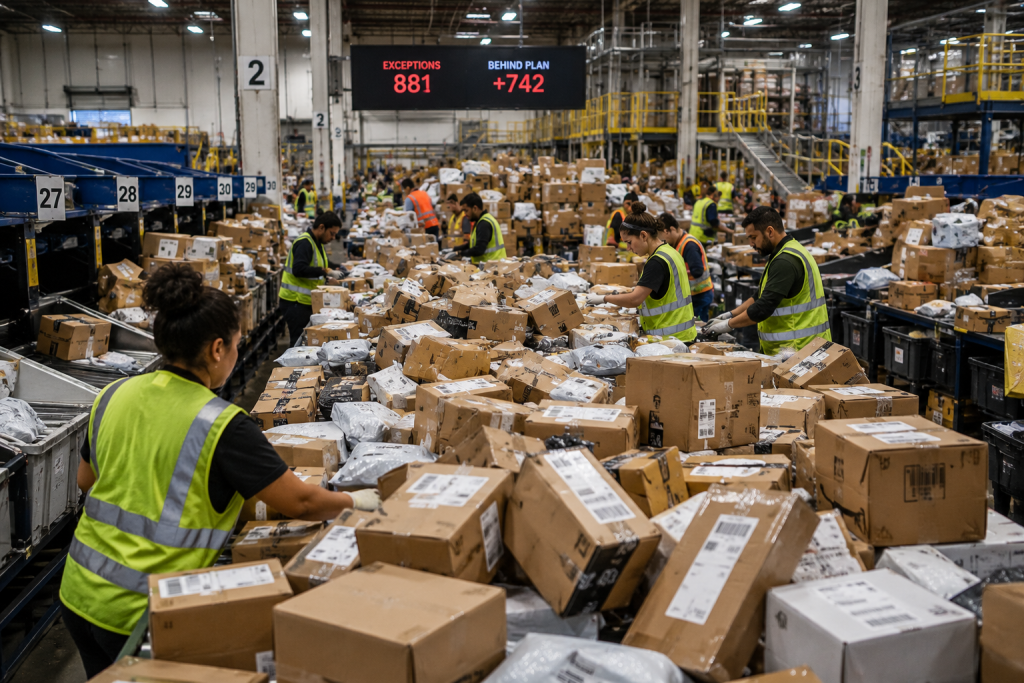
Soon the same warehouse is trying to move 2,000 parcels an hour through the same manual setup.
That is usually where things start to break.
This is not really about how hard the workers try.
It is about how a manual system works. People can only walk, read labels, and place boxes so fast.
Once volume crosses a certain point, mistakes go up, and speed goes down at the same time.
In this blog, we’ll explain why that happens, what automated sorting systems actually fix, and what they do not fix.
We will not pretend automation is perfect. It has its own problems too, and you deserve to know them before you invest.
Why Manual Sorting Falls Apart Past 2,000 Parcels an Hour?
Manual sorting works like this:
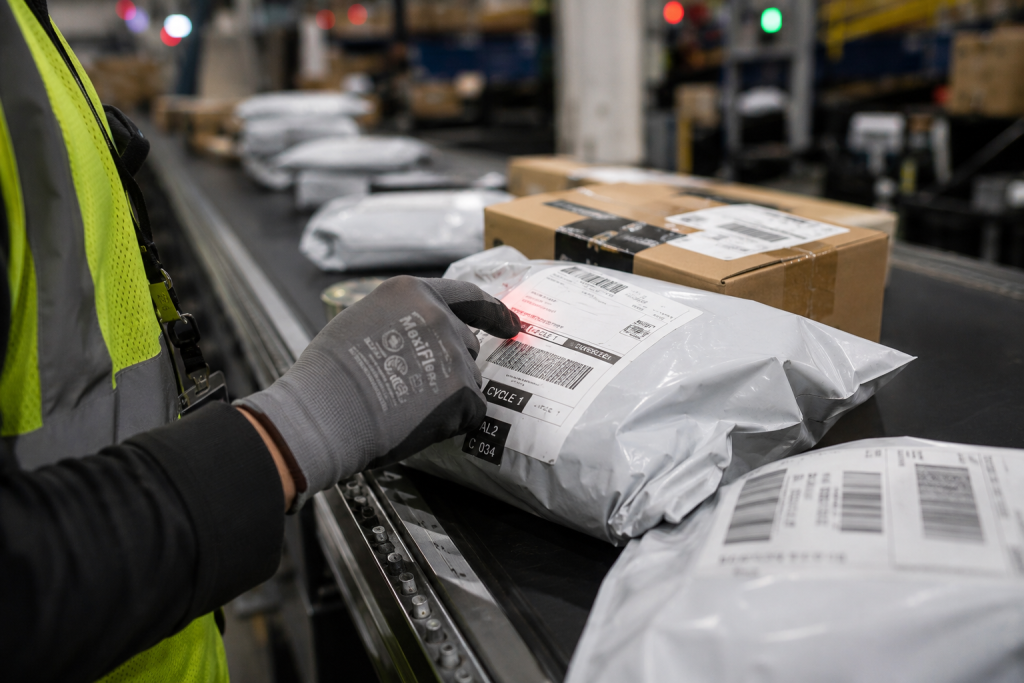
A worker picks up a parcel. Read the label. Walk to the right bin. Put it down. Walk back.
Each step takes a few seconds.
Individually, these steps seem small.
But multiply it by thousands of parcels, and the seconds add up fast.
At low volume, this is manageable. Workers catch their own mistakes. A wrong label gets noticed and fixed before it becomes a problem.
Past 2,000 parcels an hour, something changes.
There is no time to double-check. Tired eyes start misreading codes. Boxes get placed in the wrong bin, and nobody notices until it is too late.
This is not a guess. Research on manual sorting work has shown that both physical and mental tiredness directly lower how accurately and quickly people sort packages during a shift.¹
The longer the shift, and the higher the pressure, the worse this gets.
This is called the throughput ceiling. It is the point at which adding more workers no longer fixes the problem, because the floor itself runs out of space for people to move quickly without bumping into each other or making errors.
What Are Automated Sorting Systems, Really?
Automated sorting systems are machines that take over the job of reading, deciding, and moving each parcel.
No person touches the parcel from the time it enters the system until it lands in the right place.
There are three common types used in warehouses today.
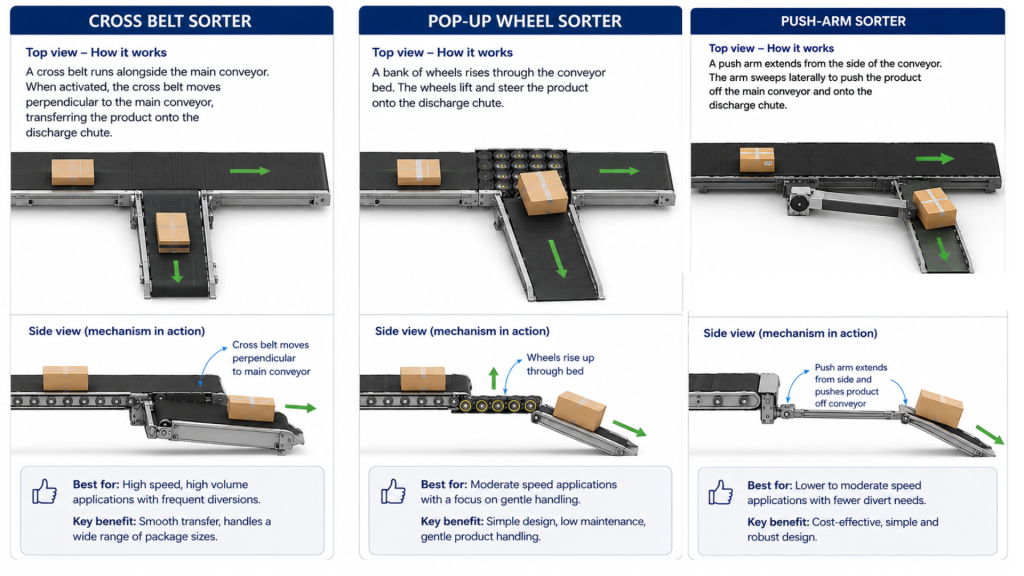
Cross belt sorters
Each parcel sits on a small belt called a carrier.
When the parcel reaches the right spot, that small belt turns on for a moment and pushes the parcel sideways into the correct chute.
The main line never stops moving.
Wheel sorters (pop-up wheel sorters)
Small wheels sit below the conveyor surface.
At the right moment, the wheels pop up and spin, nudging the parcel off the main line at an angle.
This works well for lighter, simpler parcels.
Arm sorters (push-tray or paddle sorters)
A mechanical arm sits beside the conveyor.
When a parcel reaches the right point, the arm swings out and physically pushes the parcel off the line into a chute or lane.
This method is simple and tough, which is why many warehouses still use it for heavier or odd-shaped parcels.
Each of these systems uses a barcode scanner and a control computer to know where every parcel should go.
The system reads the label, looks up the destination, and tells the right mechanism to act — all in a fraction of a second.
The Part Most People Don't Tell You: Jam Rates Are Real
Here is something most sales pitches skip.
Automated sorting systems are not perfect. They jam.
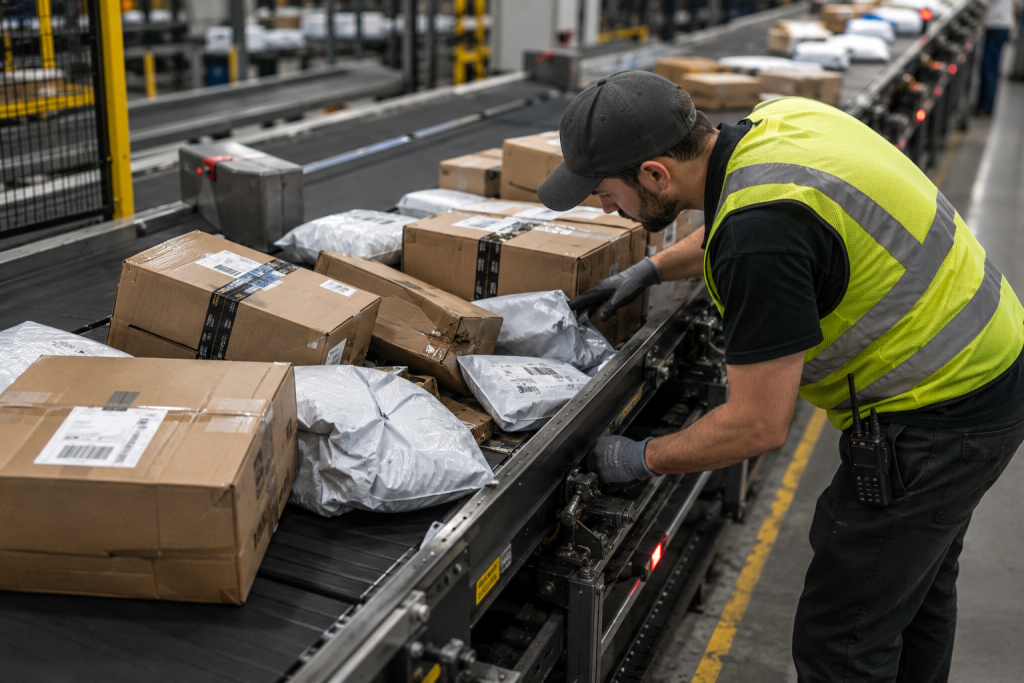
A jam usually happens for one of a few reasons. A barcode is torn or smudged and the scanner cannot read it.
A parcel is shaped oddly and gets stuck at a turn. Two parcels arrive too close together and overlap on the belt.
When this happens, the line does not always stop completely. Most modern systems are built to either send the unreadable parcel down a side lane for a person to check or hold it in a loop until it can be read again.
This means automation does not remove human work completely. It moves human work to a smaller, more focused job: fixing the exceptions the machine could not handle on its own.
The honest comparison is this. A well-run automated line has far fewer errors than a tired manual team working at peak speed. But it is not error-free, and anyone who tells you otherwise is not being straight with you.
What automation does give you is consistency.
A machine does not get tired at hour eight of a shift. Its error rate does not climb just because it is 4 PM and the dock is full.
That consistency, more than raw speed, is usually the real reason warehouses see fewer total errors after switching.
Manual vs. Automated Sorting: A Side-by-Side Look
What Matters | Manual Sorting | Automated Sorting Systems |
Top speed | Drops sharply past 2,000 parcels/hour | Can sustain much higher volumes for long hours |
Error pattern | Rises with tiredness and pressure | Stays steady through long shifts; low jam/no-read rate instead |
Floor space needed | Needs aisles and room for workers to move | Needs space for the machine, not for people walking |
Cost over time | Labour cost grows directly with volume | Higher cost upfront; cost per parcel drops as volume grows |
Flexibility for new rules | Easy to retrain people on new sorting rules | Needs a system update, but applies instantly everywhere |
Why Warehouses Are Adopting Automation Right Now
This is not just a future trend. It is already happening.
Industry surveys show that 60% of companies are already using some form of conveyor and sortation system, with another 40% planning to add or upgrade these systems in the next two years.²
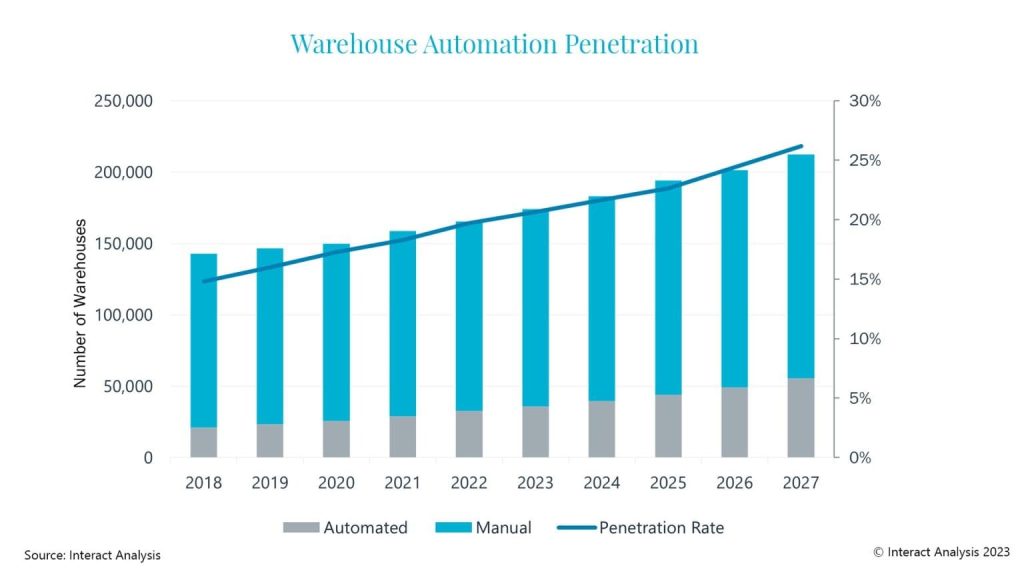
A big reason behind this shift is staffing, not just speed.
Warehouse worker turnover sits at around 36% per year in the United States, and replacing a worker can cost anywhere from a quarter to one and a half times their yearly pay.³
That means a warehouse is not just fighting slow sorting. It is fighting a constant cycle of training new people who may leave within months.
An automated sorting system does not quit. It does not need three weeks to learn a new sorting rule.
This is why more operations — especially fast-growing e-commerce and parcel delivery companies — are treating automated sorting as a basic need, not a luxury upgrade.
Frequently Asked Questions
Manual sorting depends on people reading labels and walking parcels to the right place by hand, which slows down and gets less accurate as volume and tiredness increase. Automated sorting systems use scanners and machines to do this job non-stop, at a steady pace, with a small and predictable rate of jams or misreads instead of rising human error.
The biggest benefits are steady speed, fewer errors during long or busy shifts, and less floor space wasted on aisles for workers to walk through. Automated systems also make it easier to scale up during busy seasons without hiring and training a large temporary workforce.
Hiring more workers helps only up to a point, because manual sorting has a hard throughput ceiling caused by floor space and human fatigue, not just headcount. On top of that, high worker turnover means warehouses are often retraining staff constantly, while an automated system keeps running the same way every day.
They genuinely reduce total errors, mainly because they do not get tired, distracted, or rushed the way people do during a long shift. That said, they are not perfect — barcode misreads and jams still happen, so most systems include a small manual exception step to catch the few parcels the machine cannot sort on its own.
A throughput ceiling is the point where a sorting method — usually manual sorting — cannot handle any more volume without a sharp rise in errors and delays, no matter how many extra workers are added. For most manual operations, this ceiling appears somewhere around 2,000 parcels per hour, depending on the layout and parcel mix.
Most systems handle standard boxes very well, but flimsy poly bags, oddly shaped items, and very light or very heavy parcels need extra care in how the system is set up. This is usually solved by routing unusual parcels to a separate lane, either for a different sorting method or for a person to handle manually.

